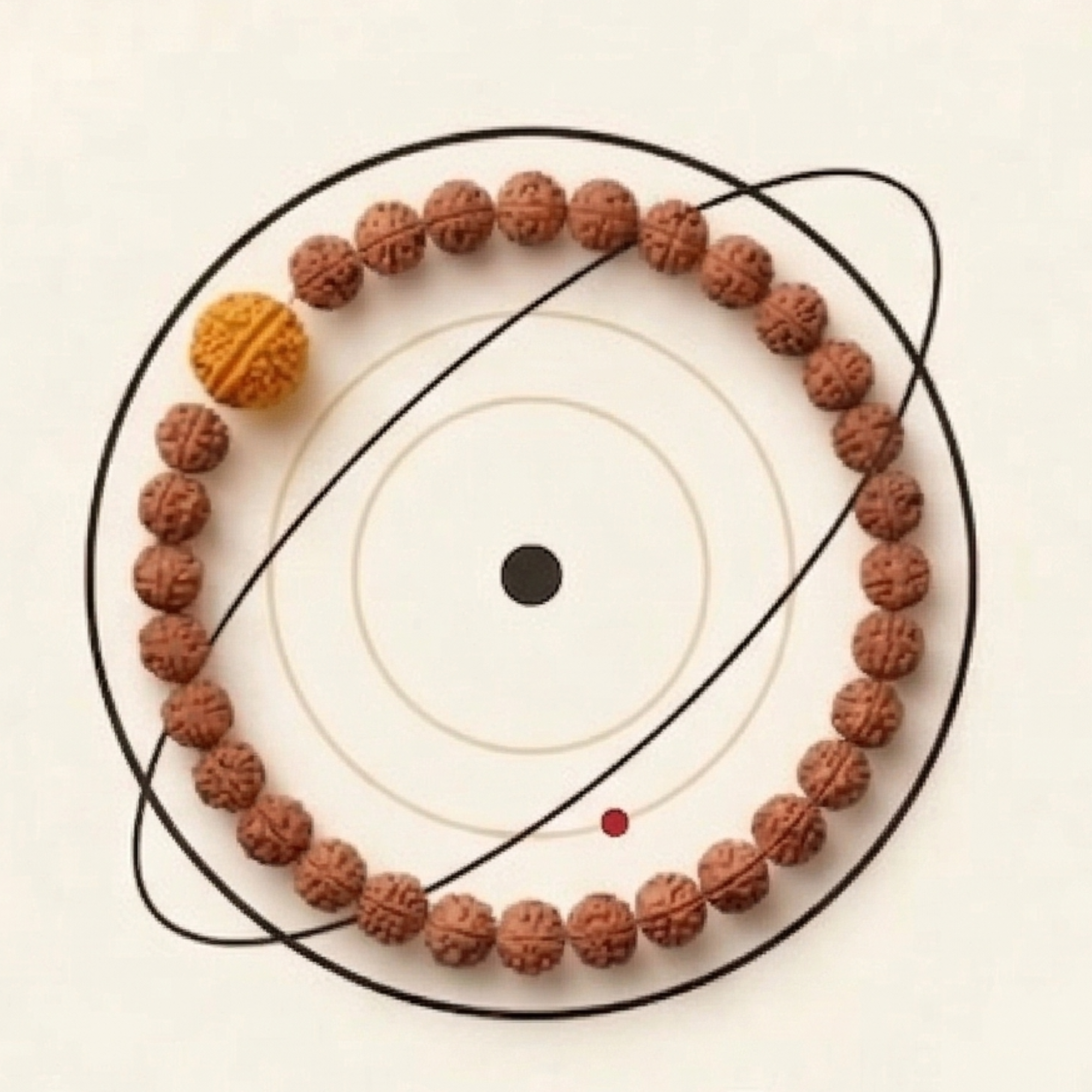

Starting a daily mantra practice (Sadhana) can feel intimidating. With so many mantras, rules, and traditions, where do you begin? This 7-day guide is designed to strip away the overwhelm and help you build a sustainable, spiritually enriching habit that fits into your modern life.
Count your 108 right here
Tap once per repetition. Nothing to install.
Your mantra
0
0 / 108
Malas: 0 · Total japs: 0
Picked up where you left off.
Your sankalp
Sankalp complete 🙏
At this pace:
1 mala complete 🙏
Make this a sankalp
Set a lifetime target and keep chanting toward it.
Keep your jap history, streaks, and sankalpa targets in AstroJap.
Save your streak → install AstroJapWhy a Daily Practice?
In Vedic tradition, consistency is power. Chanting a mantra once is like a drop of water; chanting it daily hollows out the stone of bad karma. Regular practice rewires the brain, calms the nervous system (read about the science of chanting), and aligns your personal energy with cosmic frequencies.
Days 1-2: Setup and Intention
Day 1: Choose Your Mantra
Don't jump between mantras. Pick one and stick to it. If you want a universal mantra for intellect and peace, the Gayatri Mantra is perfect. If you want to solve a specific astrological problem, use AstroJap to analyze your Kundali and get your personalized Graha Dosha remedy.
Day 2: Create Your Sacred Space
You don't need an elaborate altar. Find a quiet corner. Place a cushion or mat there. The goal is that your brain associates this physical spot with peace and chanting.
Days 3-4: The Tool (Jap Mala)
Day 3: Get a Mala
A Jap Mala is essential for tracking your 108 repetitions so your mind doesn't have to count. If you don't have a physical one, use AstroJap's built-in digital mala.
Day 4: Learn to Hold It
Hold the mala in your right hand, draped over your middle finger. Use your thumb to pull the beads towards you. Never use your index finger (the ego finger). Read our full guide on how to use a jap mala for detailed instructions.
Days 5-6: Focus and Pronunciation
Day 5: The First 108
Sit down, keep your spine straight, and chant your chosen mantra 108 times. For your first few days, it might take 10-15 minutes. Focus purely on the sound. If your mind wanders, gently bring it back to the vibration of the words.
Day 6: Refine Pronunciation
Sanskrit is a phonetic language. The power is in the precise acoustic vibration (especially for Beej mantras). Listen to accurate audio recordings and adjust your pronunciation.
Day 7: Commitment and Streaks
By Day 7, you have completed the basic setup. Now comes the real yoga: showing up every single day.
- Set a Time: Early morning (Brahmamuhurta) is best, but consistency matters more than perfect timing. (Though note that the Shani mantra is best chanted in the evening).
- Track Your Streak: Use AstroJap to log your daily jap. Seeing your streak grow is a powerful psychological motivator to not break the chain.
Common Beginner Pitfalls
"I don't have time." A round of 108 chants takes about 7 to 10 minutes. Replace 10 minutes of morning scrolling with chanting.
"My mind won't stop thinking." That is normal. Mantra jap gives the monkey mind a "toy" (the sound and the beads) to play with so your deeper consciousness can find stillness. Let the thoughts come and go.
Start today. Choose your mantra, grab your mala (or the AstroJap app), and take your first step toward lifelong spiritual resilience.
Frequently Asked Questions
Do I have to sit on the floor to chant?
No. While sitting cross-legged on the floor (Asana) is traditional, you can sit on a chair if you have physical limitations. The most important thing is keeping your spine straight.
What if I miss a day?
Don't be harsh on yourself. Acknowledge the break, and simply restart your streak the next day. Consistency over months is more important than a perfect first week.
Should I chant loud or silently?
Beginners should start by chanting aloud (Vaikhari) to train the mind to focus on the sound. Over time, you can transition to whispering (Upanshu) and eventually silent mental chanting (Manasik).
Which mantra is best for beginners?
Three safe starter mantras: 'Om Namah Shivaya' (5-syllable Shiva mantra, no chart needed), 'Hare Krishna Mahamantra' (devotional, simple, ISKCON tradition), or 'Gayatri Mantra' (universal Vedic prayer). All three can be chanted by anyone, in any tradition, without initiation. Pick one and stick with it for 40 days before switching.
How do I start mantra chanting at home?
Pick a fixed time (early morning preferred). Sit facing east or north with a straight spine. Take three deep breaths. Hold a jap mala or open a digital counter. Chant your chosen mantra 108 times. Sit silent for two minutes afterward. That is the full minimum daily practice — 10 to 15 minutes.
What is the right time to chant mantras?
Brahma muhurta (roughly 96 minutes before sunrise) is the most powerful slot. Sandhya kal (sunrise, noon, sunset) are the three classical times. If those don't fit your schedule, the practical rule is: same time every day matters more than the perfect time. The brain builds the habit faster with consistency.